Know Your Steak.
See what every steak looks like, how it tastes, how tender it is, and how much fat it has — in seconds.
Or choose a steak below ↓
Steak cuts
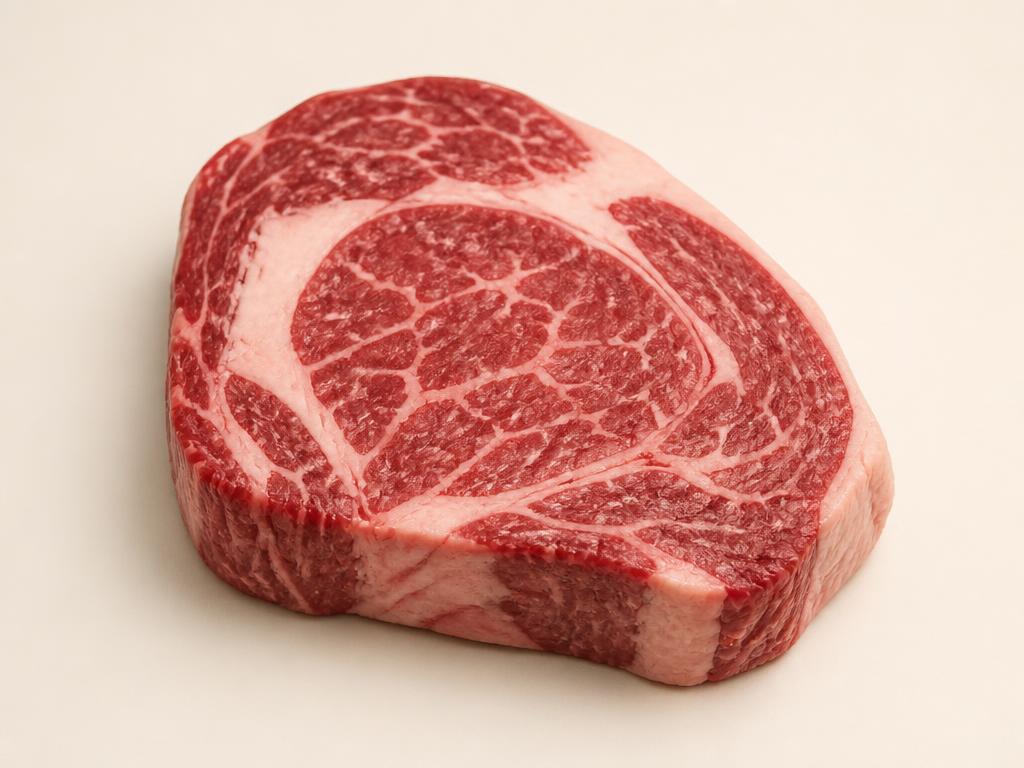
Ribeye
Rich, juicy and heavily marbled.
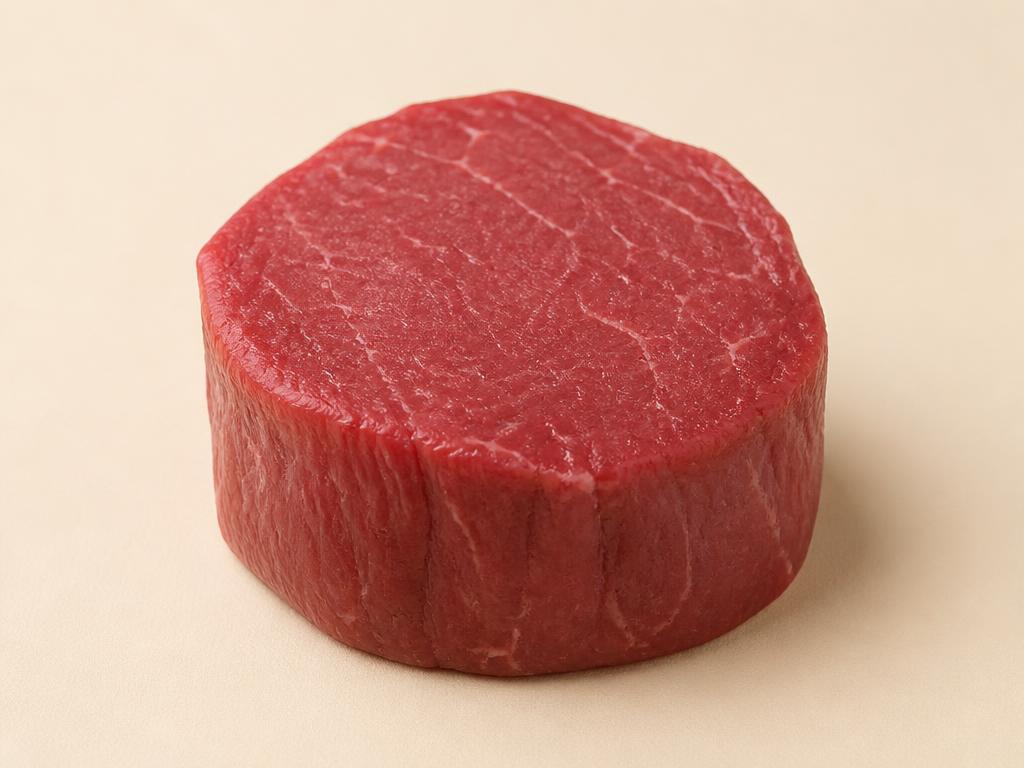
Filet Mignon
The most tender steak, mild and lean.
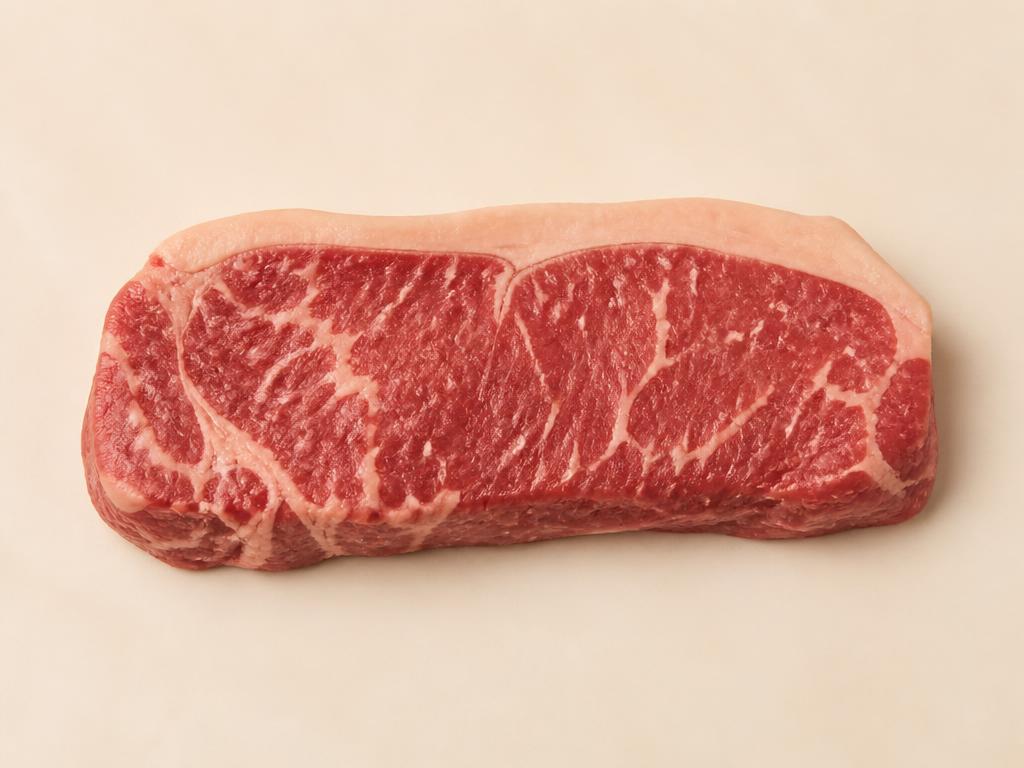
New York Strip
The balanced classic: beefy but not too fatty.
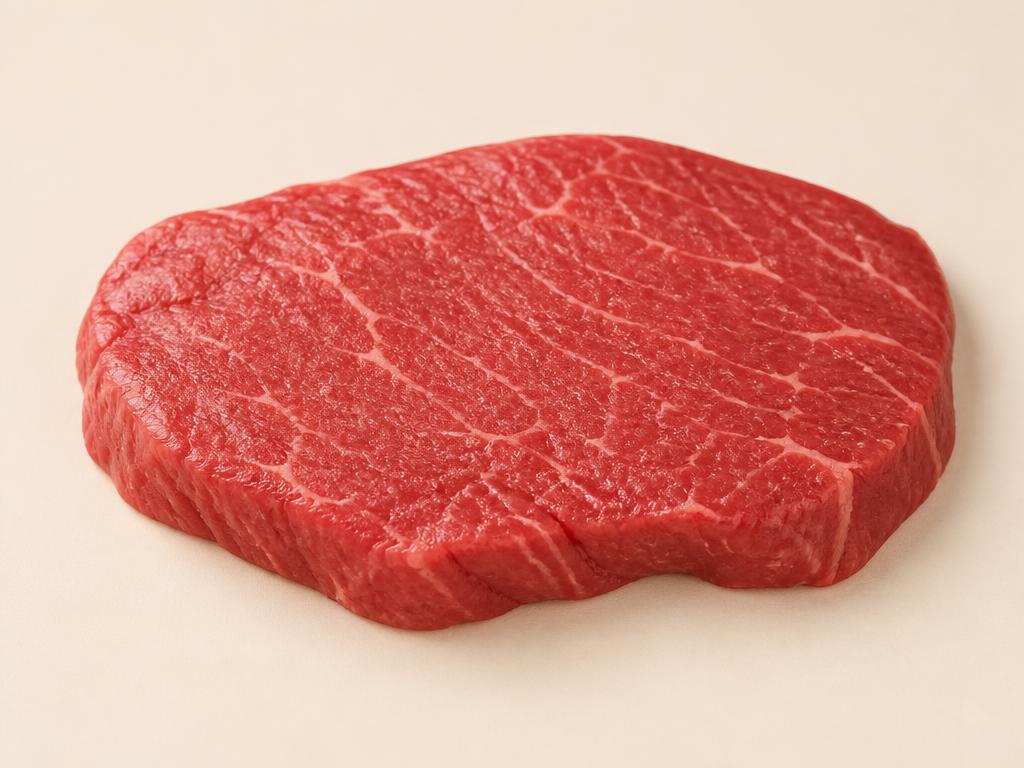
Sirloin
Lean, beefy and the best value on most menus.
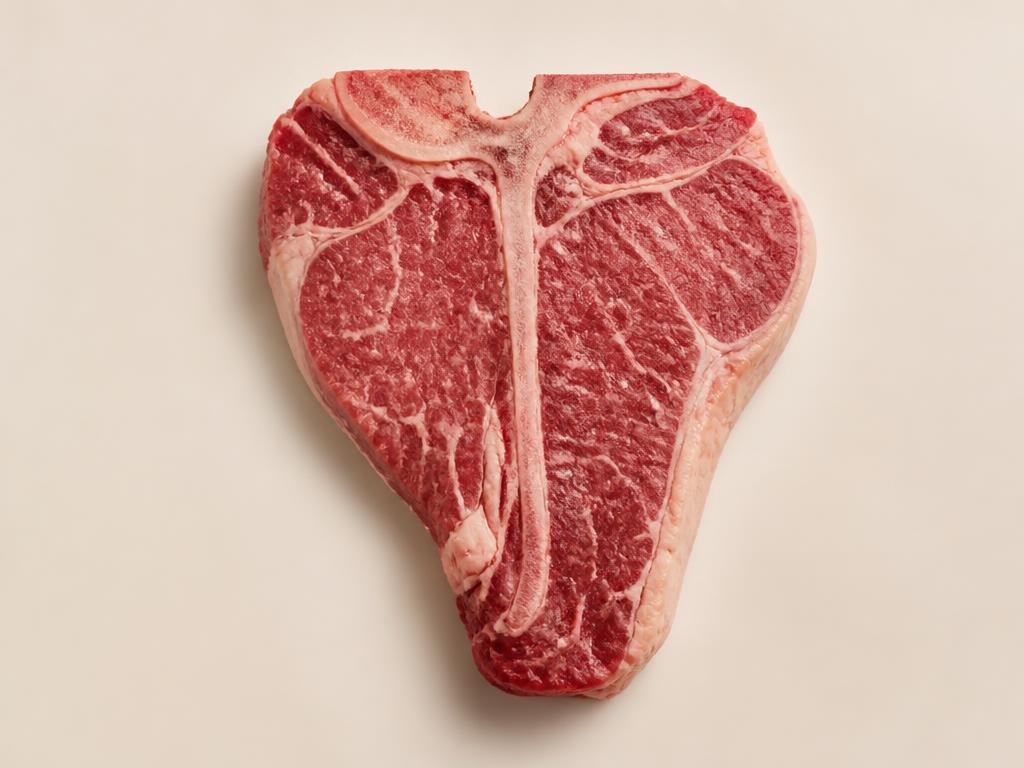
T-Bone
Strip and filet in one, split by a T-shaped bone.
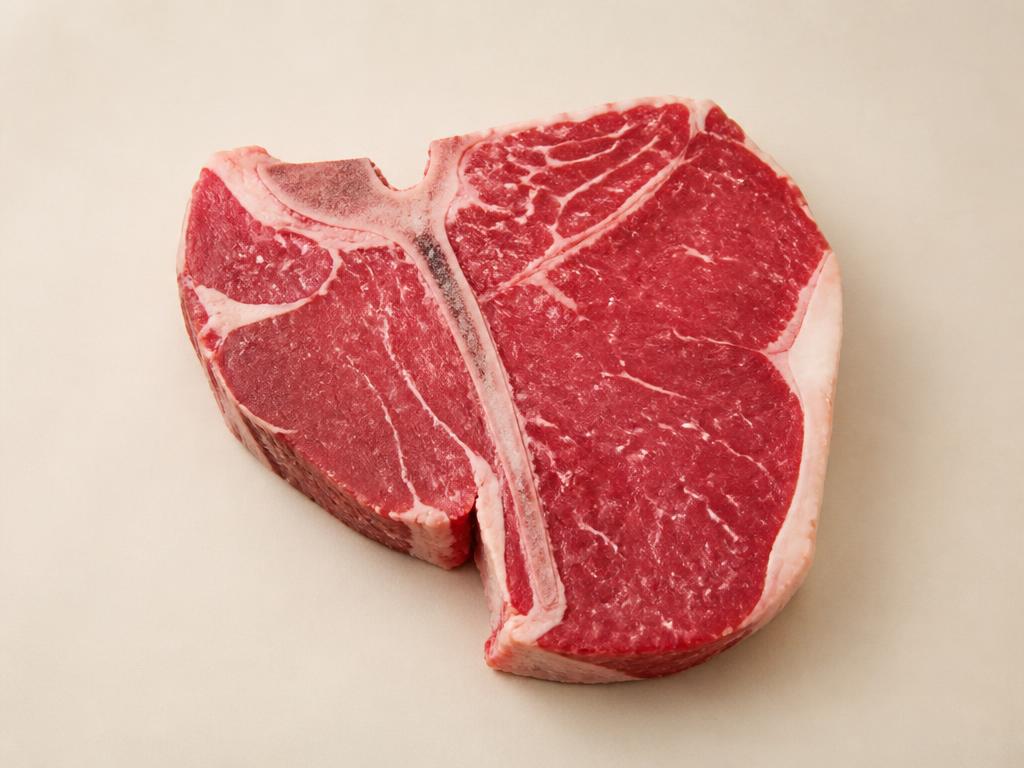
Porterhouse
A bigger T-bone with a much larger filet side.
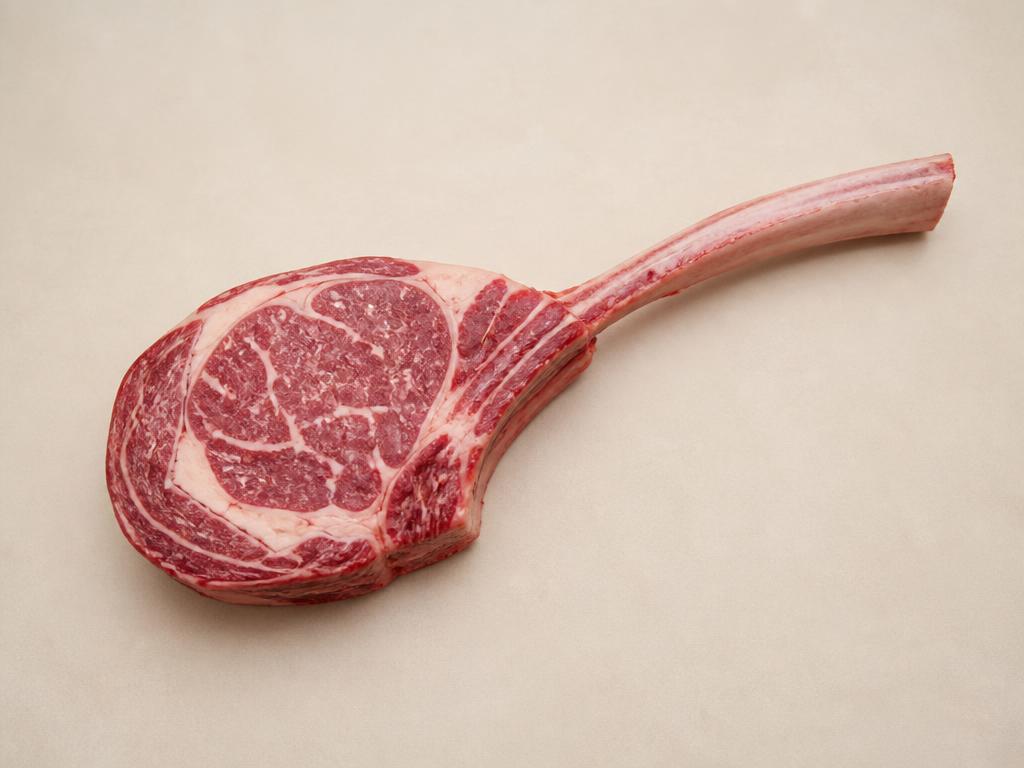
Tomahawk
A ribeye with a long bone left on for show.
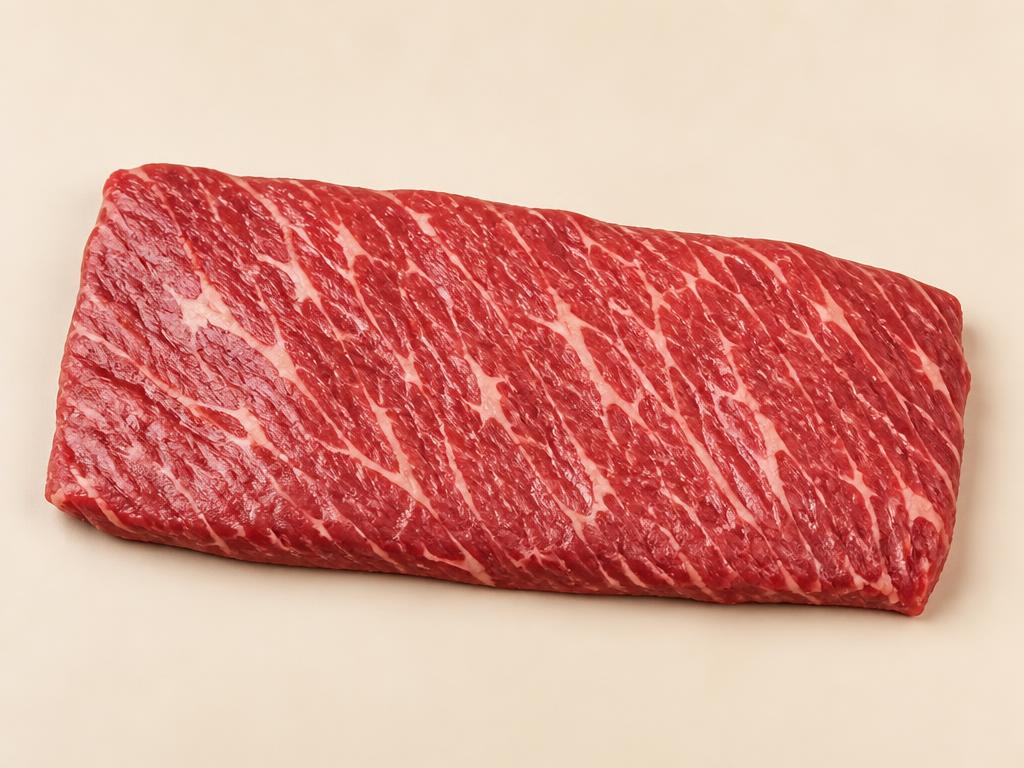
Flat Iron
Surprisingly tender and great value.
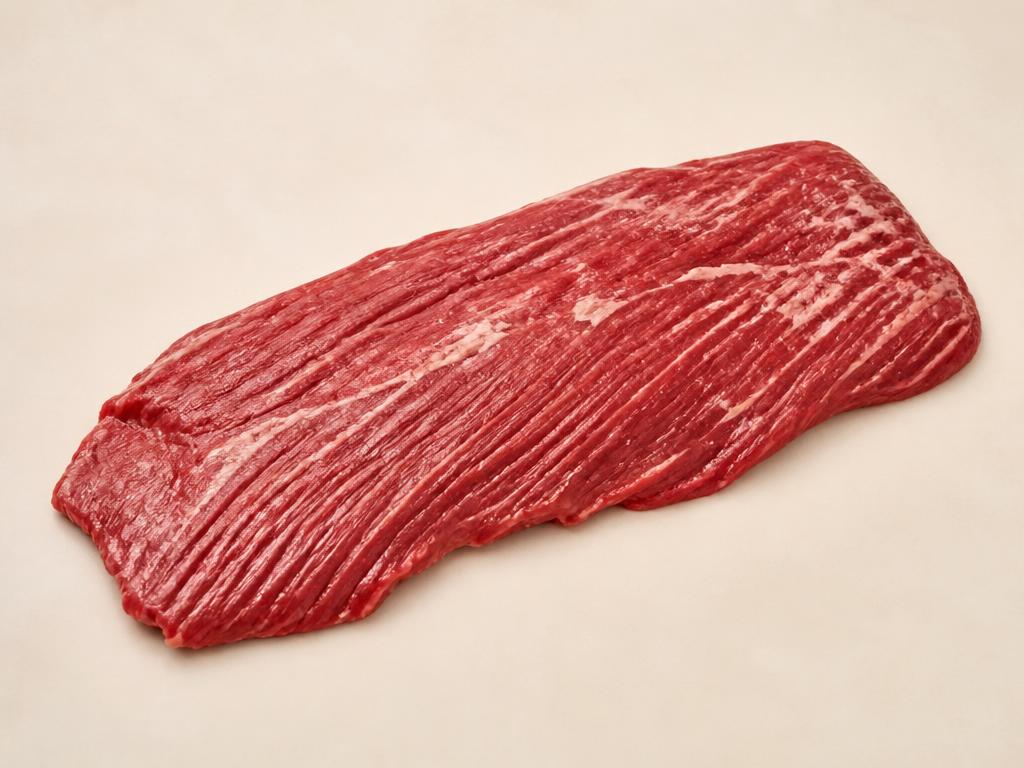
Flank Steak
Lean and intensely beefy, always sliced thin.
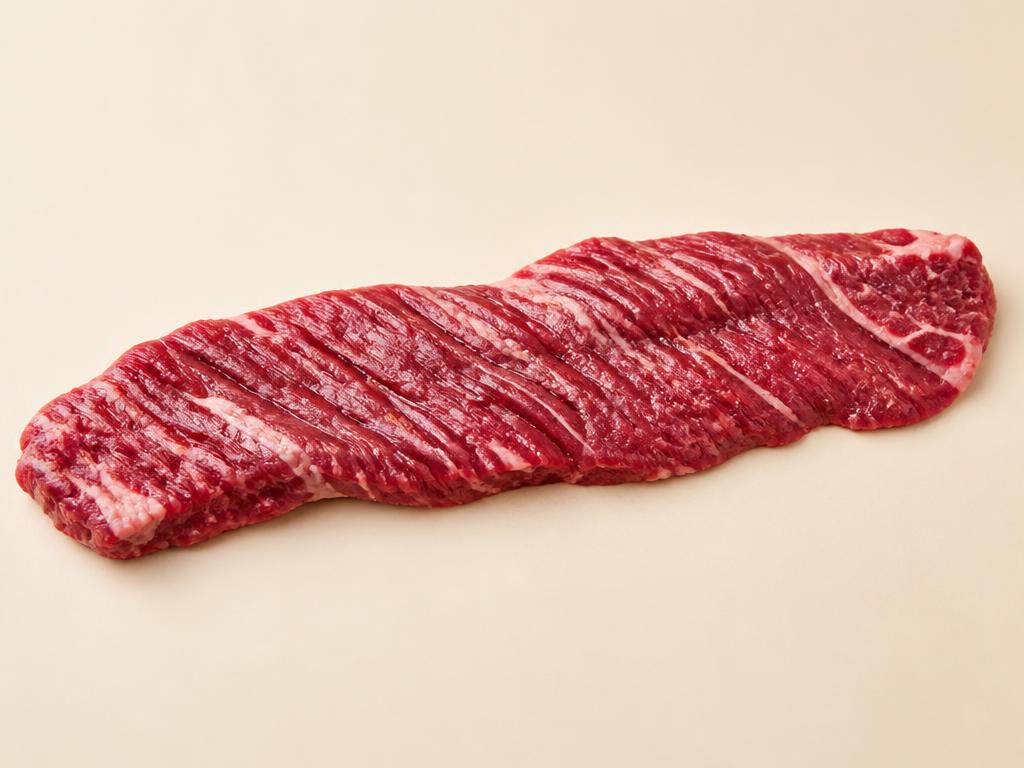
Skirt Steak
The most intensely beefy cut, best cooked fast.
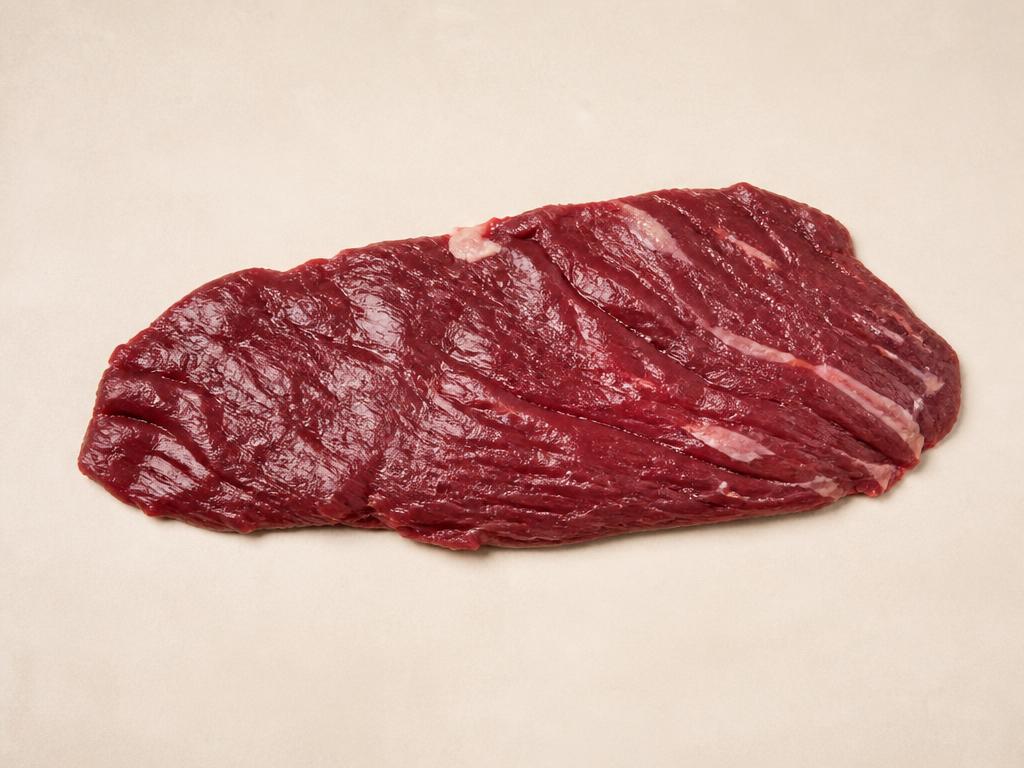
Hanger Steak
Deeply savory with a soft, loose texture.
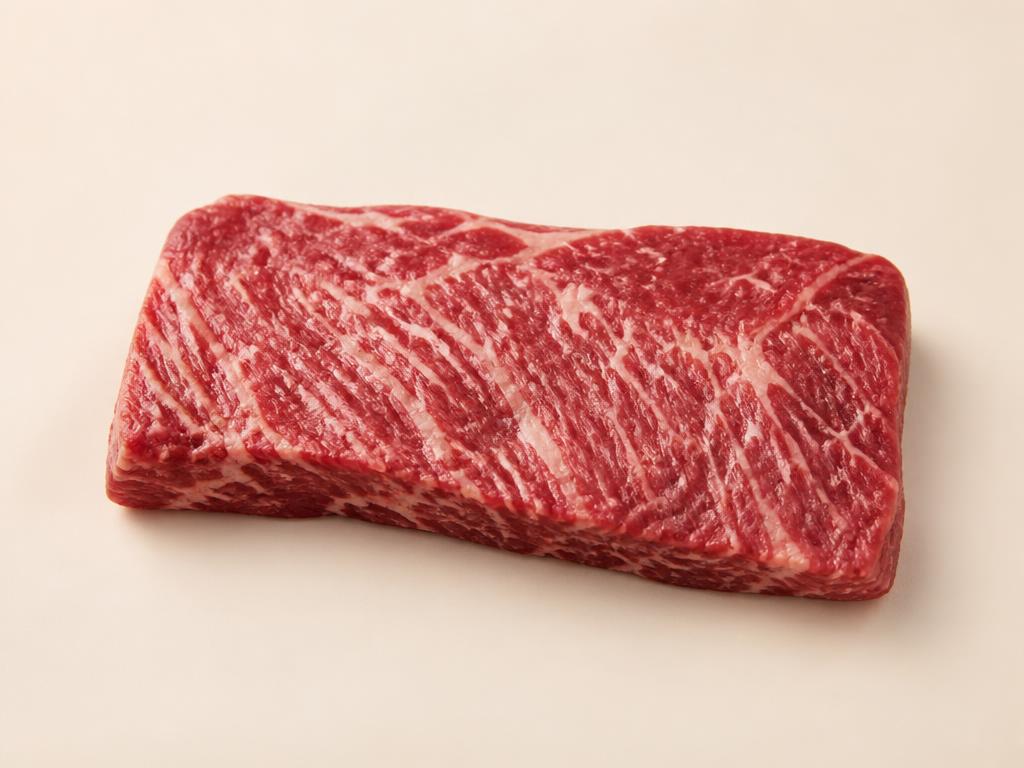
Denver Steak
Well-marbled and tender for a shoulder cut.
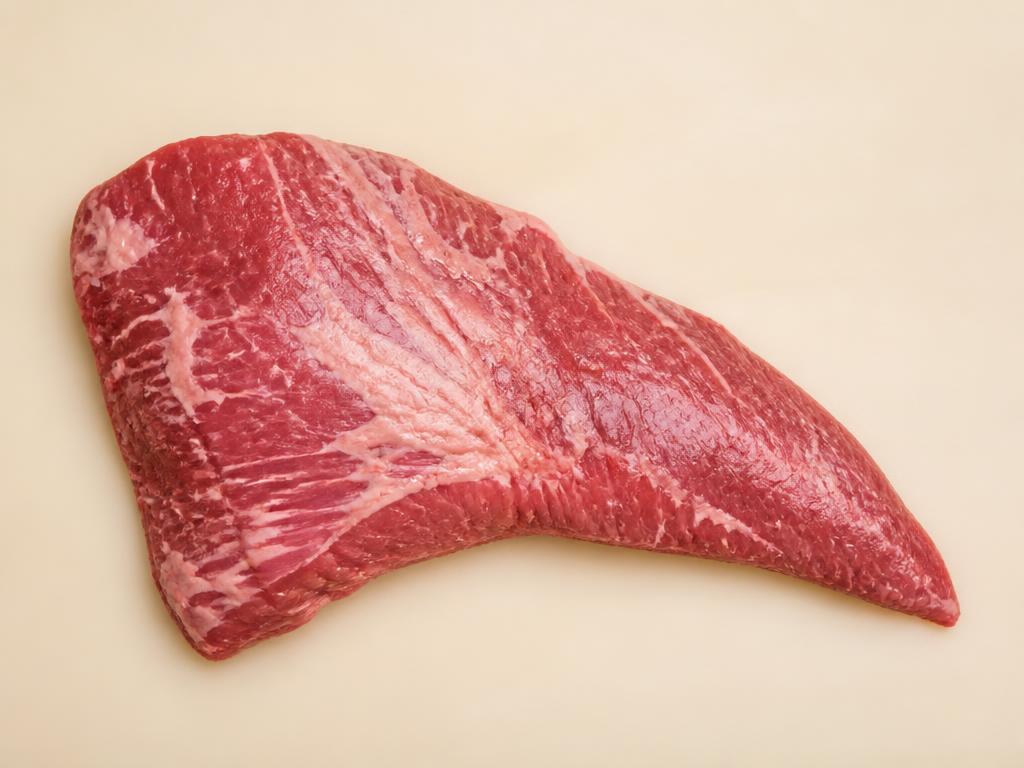
Tri-Tip
A lean, beefy roast served in slices.
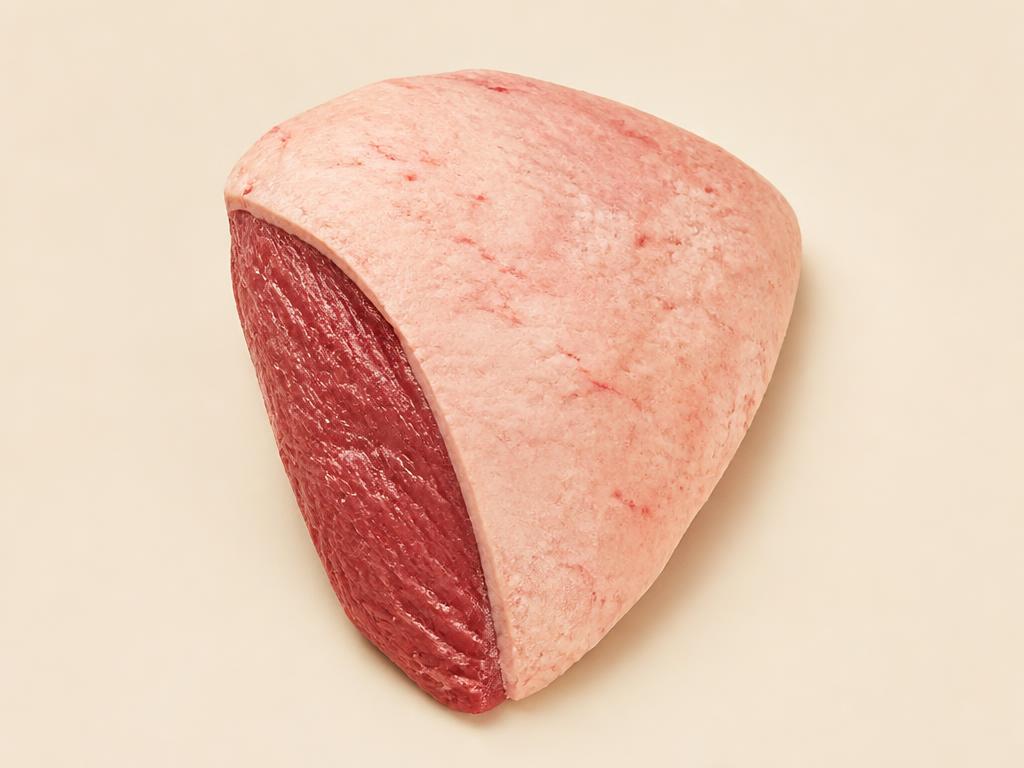
Picanha
Beefy sirloin cap with a rich, crisp fat cap.
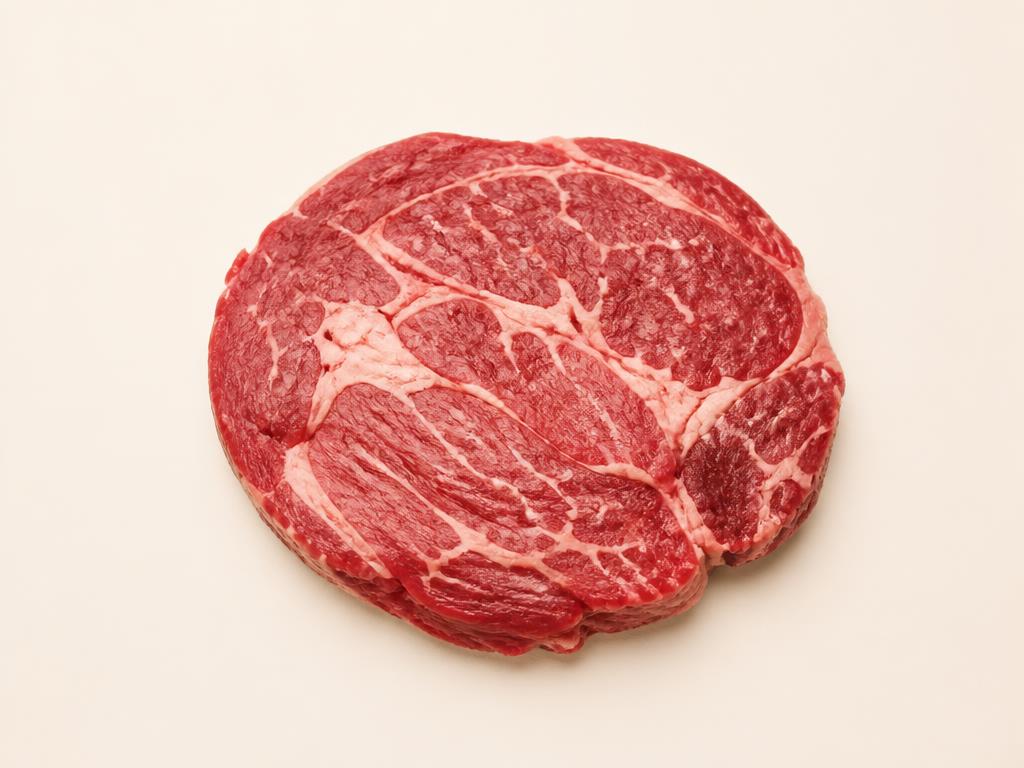
Chuck Eye
Ribeye flavor at a fraction of the price.
Steaks by preference
What are the different types of steak?
Steaks are named after the part of the animal they come from, and that one fact explains almost everything about them. Muscles the cow barely uses — the tenderloin and the short loin — give you soft, expensive cuts like filet mignon and the New York strip. The rib section is the fattiest and gives you ribeye and tomahawk. Hard-working areas like the chuck, flank and plate give you chewier but far beefier cuts such as flat iron, flank and skirt, at a fraction of the price.
So choosing a steak really means choosing a trade-off between tenderness, fat and price. Browse all 15 types of steak, see where each one sits on the beef cut chart, or read what wagyu and Kobe actually mean.
Not sure what steak to order?
Answer three quick questions and get a recommendation, plus two backups.
Find my steak